By Corcoran Property Advisors
Owning a home in Boston means living in one of the most dynamic real estate markets in the country, where strong demand and limited inventory have kept property values among the most resilient in the Northeast. But holding onto that value requires more than a great location. Boston's four distinct seasons each bring their own maintenance nuances to the table, and the homeowners who stay ahead of those demands are the ones who protect their equity and command top dollar when it comes time to sell.
From nor'easters that dump heavy snow in February to sweltering August humidity, the city puts your property through its paces all year long. If you want to protect your investment and maintain excellent resale value, reactive maintenance is not enough; you need a proactive plan that accounts for each season and what it brings.
The good news is that Boston homeowners have a significant advantage: property values here remain among the most resilient in the Northeast. Also, a consistent annual maintenance routine is far less expensive than the repairs that follow from neglect.
Whether you own a triple-decker in Dorchester, a brownstone on Beacon Hill, or a Colonial in West Roxbury, the same principle applies: small tasks done on schedule prevent deferred maintenance.
This guide walks you through the most important maintenance tasks by season, along with the perennial priorities that apply year-round. Follow it annually, and your home will stay competitive, well-maintained, and ready for whatever the weather brings.
Key Takeaways
- Boston's four distinct seasons each call for specific maintenance tasks that protect your home's structural integrity and curb appeal.
- Staying ahead of seasonal upkeep prevents the deferred maintenance that reduces appraised value and buyer confidence.
- Exterior and interior conditions factor into how buyers and appraisers evaluate Boston properties.
- Older Boston homes require particular attention to foundations, plumbing, and insulation.
- A consistent annual checklist helps you catch small issues before they become costly repairs.
Spring: Assess, Repair, and Refresh
Spring is the season for a full reset. After months of cold and precipitation, your home deserves a thorough inspection from foundation to roofline. Addressing anything that has shifted, cracked, or worn down over the winter keeps minor issues from compounding through the warmer months.
Start outside by walking the full perimeter of your property. Look for foundation cracks, damaged siding, and signs of water intrusion around window frames and door thresholds. In older neighborhoods, foundation issues are common in homes with brick or fieldstone bases, and even minor cracking should be evaluated by a structural professional before you dismiss it. Check your driveway and front walkway for frost heave, which can create trip hazards and signal drainage problems beneath the surface.
Gutters and downspouts deserve particular attention in spring. Have your gutters cleaned and confirm that they are properly attached to the fascia. Make sure that downspouts are directing water at least six feet away from the foundation, which reduces the risk of basement moisture and protects your landscaping. While you are focused on the exterior, schedule a roof inspection to catch any shingles that have cracked or loosened, and check the flashing around chimneys and skylights.
Spring Maintenance Priorities
- Inspect the roof for cracked, curled, or missing shingles and check flashing at all penetration points.
- Clean the gutters and flush the downspouts to ensure proper drainage as spring rains arrive.
- Examine window and door caulking for gaps or cracks that need to be resealed.
- Walk the foundation perimeter and flag any new cracking for professional evaluation.
- Test your sump pump before the spring rain season begins.
Summer: Protect Against Heat, Humidity, and Pests
Boston’s summers bring heat and humidity, and that combination is challenging on wood, paint, HVAC systems, and anywhere moisture can collect without proper ventilation. Summer is also when deferred maintenance becomes visible from the street, which matters whether you are planning to list in the fall or simply want to maintain your home's curb appeal.
Your air conditioning system should be serviced before temperatures peak. Have an HVAC technician inspect refrigerant levels, clean the coils, and check that your ductwork is not leaking conditioned air into unconditioned spaces. In older homes, there may be ductwork that was retrofitted poorly, leading to significant energy loss and uneven cooling. Addressing this saves money on utility bills and gives you documentation to share with future buyers.
Exterior wood is particularly vulnerable in summer. If your home features wood siding, trim, or a wood deck, inspect it for signs of rot, warping, or paint failure. Humidity can accelerate wood degradation when moisture gets trapped beneath peeling paint. Scraping, priming, and repainting before the wood is compromised keeps your curb appeal high and prevents a more expensive repair down the road. Summer is also a great time to check for pest activity, as carpenter ants and termites are most active in warm months.
Summer Maintenance Priorities
- Schedule a professional HVAC tune-up before peak cooling season.
- Inspect wood siding, trim, and decking for rot, soft spots, or paint failure.
- Check ventilation to prevent heat buildup that can warp rafters and degrade insulation.
- Look for signs of pest activity around the foundation, particularly carpenter ants and termites.
Fall: Winterize and Prepare Your Systems
Fall is one of the most important seasons for Boston homeowners when it comes to protecting property value. Proper preparation between September and November determines how well your home's systems perform through the colder months and reduces the risk of costly mid-winter repairs.
Heating system maintenance tops the list. Have your boiler or furnace inspected and serviced by a licensed HVAC technician, replace the filters, and bleed radiators if you have a hot water heating system. While you are focused on heat, have your fireplace or wood stove cleaned and inspected by a certified chimney sweep.
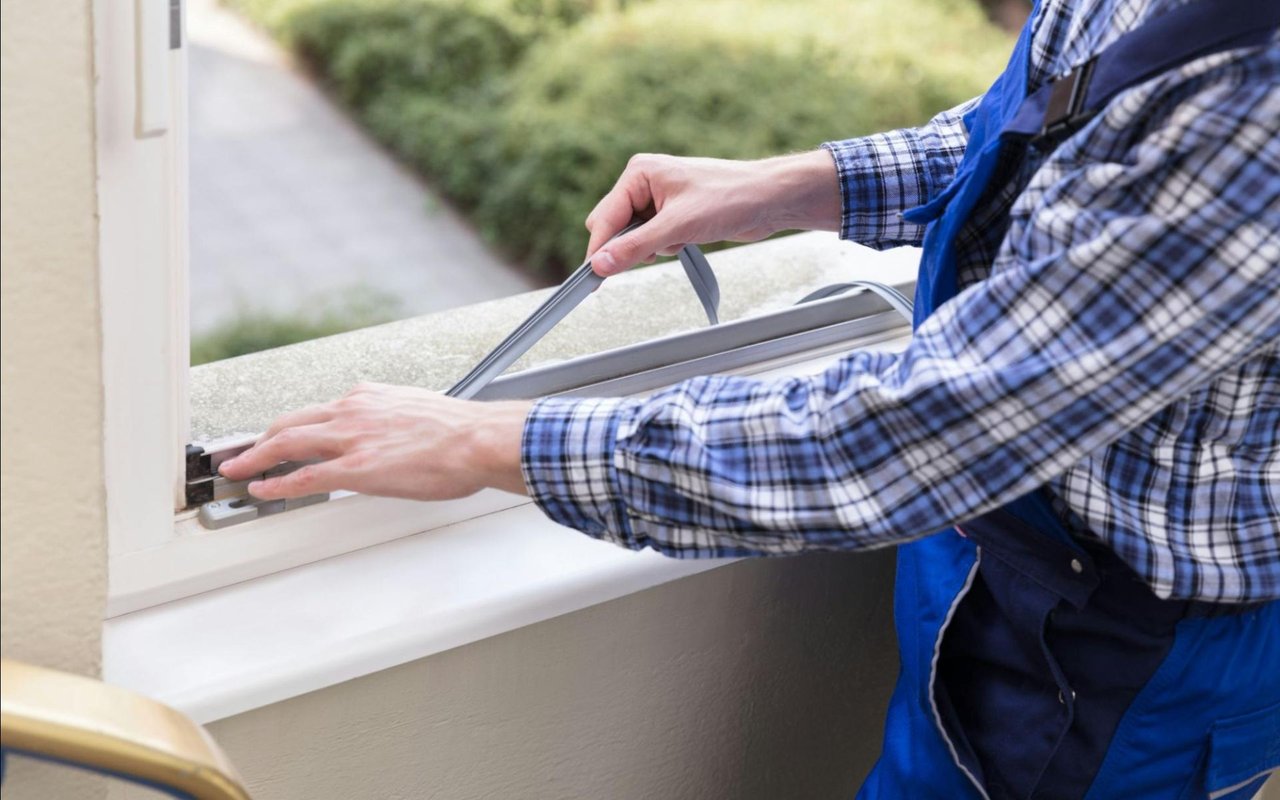
Exterior preparation is equally important. Drain and store garden hoses, shut off exterior hose bibs, and insulate any exposed pipes in unheated spaces like garages and crawl spaces. Clean your gutters after the leaves have fully dropped, typically late October to early November. Apply fresh weatherstripping to doors and windows where drafts are noticeable, and consider adding window insulation film to older single-pane windows if a full replacement is not in the budget.
Fall Maintenance Priorities
- Service your heating system and replace filters before temperatures drop.
- Have the chimney cleaned and inspected if you use a fireplace or wood stove.
- Clean gutters after leaf drop and confirm downspouts are clear.
- Drain exterior hose bibs and insulate exposed pipes in unheated areas.
- Seal gaps around windows and doors with fresh weatherstripping or caulk.
Winter: Monitor and Stay Ahead of Issues
Winter is not a time to step back from home maintenance; it is a time to stay observant. Many of the most expensive repairs homeowners face stem from issues that were not caught early enough, and a few simple habits through the colder months go a long way.
Roof monitoring is a key winter task. After significant snowfall, using a roof rake to clear snow from the lower few feet of the roof reduces the risk of ice dams forming at the eaves and protects your shingles from excess weight. Keeping your attic well-insulated and ventilated is the underlying fix that makes this less of an ongoing concern.
Keep an eye on your basement and crawl space for moisture throughout the winter months. Condensation on walls, efflorescence on concrete, or a musty smell can indicate water infiltration that should be addressed.
Winter Maintenance Priorities
- Use a roof rake after heavy snowfall to reduce stress on shingles and minimize ice dam formation.
- Check attic insulation levels and ventilation to minimize heat loss through the roof.
- Inspect the basement and crawl space periodically for moisture or signs of water intrusion.
- Keep a slow drip running from faucets on exterior walls during extreme cold to prevent pipe freezing.
- Test smoke and carbon monoxide detectors monthly and replace batteries as needed.
FAQs
How Often Should I Have My Roof Inspected in Boston?
A professional roof inspection every two to three years is a reasonable cadence for most Boston homeowners, though you should also schedule one after any significant storm or if you notice shingle granules accumulating in your gutters.
How Can I Reduce the Risk of Ice Dams on My Boston Home?
The most effective approach is improving attic insulation and ventilation so that your roof stays at a consistent temperature, preventing snow from melting unevenly and refreezing at the eaves. Adding insulation to attic floors reduces the amount of heat that escapes through the roof. Ensuring adequate soffit and ridge venting allows cold air to circulate and maintain an even roof temperature.
Is It Worth Doing Cosmetic Upgrades if I Plan to Sell?
Cosmetic updates can improve your listing appeal and help you price competitively. Boston buyers at most price points are savvy; they will pay a premium for a home that is well-maintained and move-in ready, but they will also discount heavily if an inspection reveals deferred maintenance beneath the fresh coat of paint. Start with the fundamentals, and let the cosmetics follow.
Your Boston Home Is Worth Protecting
The work you put in each season keeps your property in peak condition, extends the lifespan of its major systems, and signals to future buyers that the home has been well-cared for. Whether you are planning to sell in the next year or hold for the long term, staying on top of annual maintenance is one of the highest-return habits a homeowner can build.
If you have questions about how your home's condition may affect its value or want guidance on what buyers in your area are looking for right now, reach out to our team at Corcoran Property Advisors. We are here to help you make informed decisions and get the most from your Boston home.