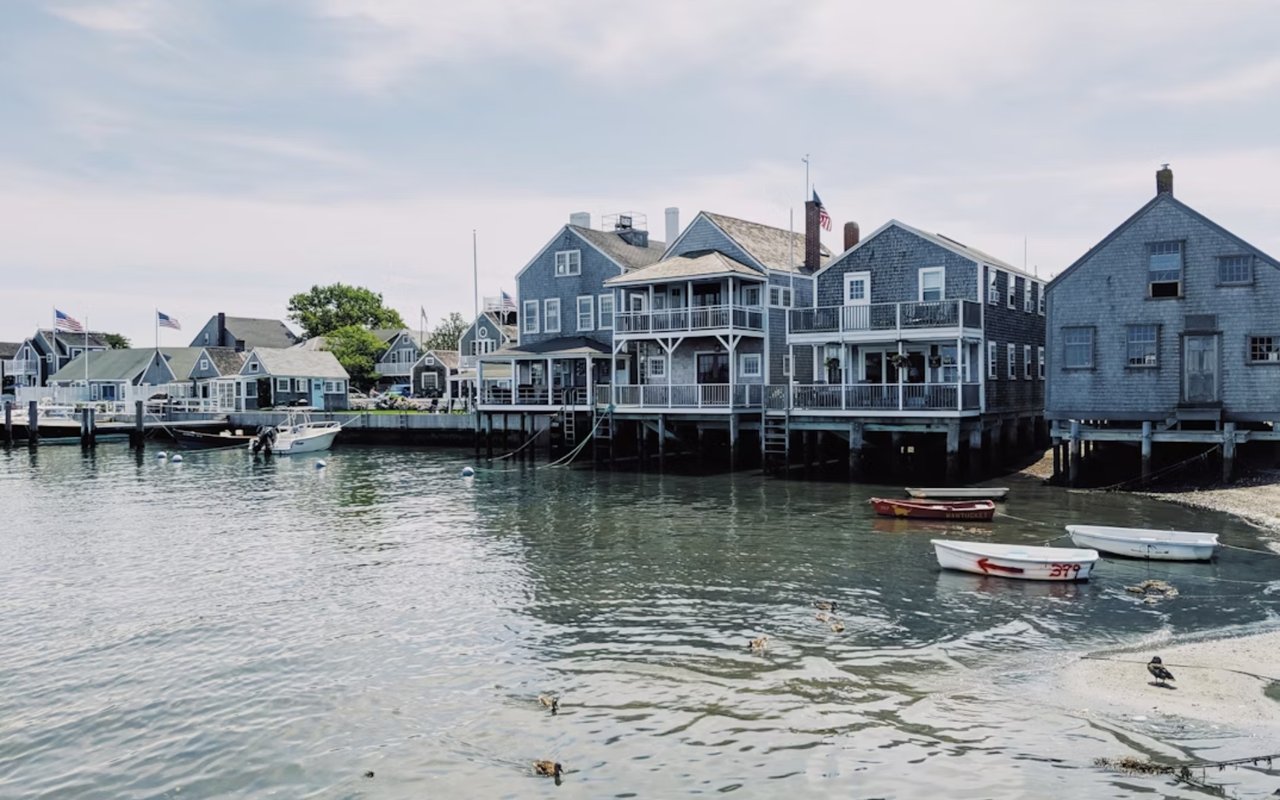
How to Buy a Waterfront Property in Massachusetts
Essential due diligence, environmental regulations, and regional market insight
Massachusetts Waterfront Purchasing - Quick Reference
Core Essentials for Buying Coastal & Oceanfront Estates
- Chapter 91 Public Tidelands - Mandatory state licensing for docks, piers, and structures below mean high water.
- Conservation Commission - Strict local enforcement under the MA Wetlands Protection Act (100-foot buffer zones).
- FEMA Flood Zones & Risk 2.0 - Insurance costs dictated by VE/AE zone designations and elevation certificates.
- Coastal Erosion Studies - Reviewing historical shoreline movement rates, seawall integrity, and revetments.
- Deep-Water Dock Rights - Navigational access, low-water depth, and municipal harbor master permits.
- Private Advisory Access - The most significant waterfront estates trade off-market through discreet broker channels.
Buying waterfront real estate in Massachusetts requires evaluating Chapter 91 tidelands compliance, local Conservation Commission buffer rules, and FEMA flood risk. Whether acquiring an oceanfront compound on Cape Cod, an island retreat on Martha's Vineyard or Nantucket, a Jerusalem Road estate in Cohasset, or a Boston Harbor penthouse, successful purchasers combine environmental engineering due diligence with seasoned real estate advisory to protect long-term asset value.
Purchasing waterfront property in Massachusetts is a dream shared by discerning buyers seeking an extraordinary coastal lifestyle. However, coastal real estate transactions involve unique regulatory, environmental, and financial complexities that differ significantly from inland home purchases. From navigating environmental permitting to evaluating structural marine engineering, conducting rigorous pre-purchase due diligence is essential.
Due Diligence Factor | Massachusetts Regulatory / Technical Requirement | Impact on Ownership & Asset Value |
|---|---|---|
Chapter 91 Waterways Licensing | MA DEP authorization for docks, piers, seawalls, and filled tidelands below high water. | Unlicensed marine structures risk state fines or mandatory removal orders upon sale. |
Wetlands Protection Act (WPA) | Municipal Conservation Commission jurisdiction over 100-foot buffer zones and 200-foot riverfronts. | Restricts home expansion, pool construction, landscaping, and tree clearing. |
FEMA Flood Rating & Elevation | VE (wave action) and AE (inundation) flood zones dictating Base Flood Elevation (BFE). | Determines annual flood insurance premiums and mechanical equipment elevation mandates. |
Erosion & Coastal Armoring | CZM shoreline change data and Chapter 91 seawall/revetment structural integrity reviews. | New seawalls are heavily restricted; existing structures require expensive maintenance. |
Title 5 Septic Compliance | Nitrogen-sensitive coastal zone septic regulations (IA innovative/alternative systems). | Failed inspections require $50,000-$100,000+ advanced nitrogen-reducing upgrades. |
Deep-Water Dock Access | Harbor Master float permits, low-tide depth verification, and dredging restrictions. | Determines vessel draft capacity and commands multi-million dollar property premiums. |
Seeking a Massachusetts Waterfront Estate?
Discreet advisory and exclusive access to coastal New England properties
Corcoran Property Advisors specializes in coastal estate acquisitions across Cape Cod, Martha's Vineyard, Nantucket, the South Shore Gold Coast, and Boston Harbor. Partner with our team for expert regulatory guidance and off-market opportunity access.
Essential Due Diligence for Massachusetts Coastal Real Estate
Acquiring waterfront property requires looking far beyond panoramic water views. A successful purchase depends on thorough investigation into state environmental statutes, municipal bylaws, and coastal engineering metrics.
Chapter 91 & Public Tidelands Licensing
The Massachusetts Public Waterfront Act (Chapter 91) protects the public's interest in tidelands and waterways. Any structure situated below the historic mean high water mark - including docks, piers, floats, pilings, and seawalls - requires a valid Chapter 91 license issued by the Department of Environmental Protection (DEP). During title search, your advisor must verify that existing marine structures are fully licensed and in compliance with recorded plan licenses.
Conservation Commission & Wetland Protection Act
Under the Massachusetts Wetlands Protection Act (M.G.L. c. 131, s. 40), local town Conservation Commissions enforce jurisdiction over coastal banks, beaches, dunes, salt marshes, and a 100-foot buffer zone extending landward. Any exterior site work - such as building additions, pool installation, deck construction, or landscape clearing - requires filing a Notice of Intent (NOI) and obtaining an Order of Conditions. Understanding buffer limits is crucial prior to acquiring a home with renovation plans.
FEMA Flood Zones & Coastal Elevation Certificates
Flood zone designation directly impacts both building requirements and annual carrying costs. Properties designated within VE Zones (coastal high hazard areas subject to velocity wave action) face stringent structural mandates, including pile-supported foundations and elevated mechanical systems. AE Zones represent areas subject to stillwater inundation. Obtaining a certified Elevation Certificate verifies your home's Lowest Adjacent Grade (LAG) relative to FEMA's Base Flood Elevation (BFE), providing the foundation for accurate insurance rating under FEMA's Risk Rating 2.0 system.
Seawalls, Revetments, and Coastal Erosion Studies
For bluffed or exposed oceanfront properties, evaluating coastal stability is imperative. Reviewing Office of Coastal Zone Management (CZM) shoreline change maps reveals long-term annual erosion rates. Where coastal armoring exists - such as stone revetments or concrete seawalls - hiring a licensed marine engineer to inspect structural footings, filter fabric, and mortar joints prevents surprise multi-hundred-thousand-dollar repair liabilities.
Regional Waterfront Markets Across Massachusetts
Massachusetts offers diverse coastal environments, each characterized by distinct nautical geography, architectural style, and market pricing dynamics.
Cape Cod: Harbors, Sound Frontage, and Bay Properties
Cape Cod features 560 miles of coastline across 15 towns. Mid-Cape enclaves like Osterville and Hyannis Port feature sheltered Nantucket Sound frontage with deep-water dockage, commanding multi-million dollar premiums. Lower Cape towns like Chatham combine historic sea captains' homes with Atlantic oceanfront exposure, while Outer Cape towns offer pristine, dune-backed privacy within the Cape Cod National Seashore.
Martha's Vineyard & Nantucket: Island Estates & Private Ponds
Island real estate represents the pinnacle of East Coast summer luxury. On Martha's Vineyard, waterfront options range from Edgartown Harbor homes to secluded coastal pond acreage in Chilmark and West Tisbury. Nantucket is defined by historic shingle-style compounds, strict historic district guidelines (HDC), and protected harbor access in Siasconset, Monomoy, and Polpis.
The South Shore: Jerusalem Road and Deep-Water Dockage
For buyers seeking coastal living within commuting distance of Boston, the South Shore Gold Coast offers an ideal solution. Cohasset's Jerusalem Road features rocky oceanfront compounds, while Hingham Harbor and Scituate Harbor provide active yachting communities, deep-water marinas, and rapid MBTA commuter ferry connections to downtown Boston.
Greater Boston: Harbor Penthouses and Urban Waterfront
Boston's urban waterfront combines luxury condominium living with sweeping maritime views. Penthouses along Commercial Wharf, Burroughs Wharf, and the Seaport District feature private boat slips, floor-to-ceiling glass, and direct harbor walk access minutes from the Financial District.
Financial Considerations of Waterfront Ownership
Carrying a coastal property involves specialized financial planning beyond standard mortgage and tax calculations.
- Flood Insurance Premiums: FEMA's Risk Rating 2.0 calculates premiums based on structure-specific distance to coast, foundation type, and relative elevation rather than broad flood zone categories alone.
- Property Tax Assessments: Municipal property tax rates vary significantly; coastal towns like Chatham and Osterville feature low effective tax rates relative to inland communities.
- Marine Maintenance Reserves: Budgeting annual reserves for saltwater exposure, dock maintenance, pile wraps, storm shutter servicing, and stainless steel hardware upkeep.
Frequently Asked Questions About Buying Waterfront Property in Massachusetts
What is Chapter 91 in Massachusetts waterfront real estate?
Chapter 91 is the Massachusetts Public Waterfront Act. It regulates activities and structures in, under, or over public tidelands and navigable waterways, ensuring that private marine structures like docks, piers, and seawalls hold valid state licenses.
How do Conservation Commissions affect waterfront property improvements?
Local Conservation Commissions enforce the state Wetlands Protection Act and town bylaws. They hold jurisdiction over a 100-foot buffer zone extending from coastal banks, beaches, and salt marshes, requiring formal approval for building modifications or land clearing.
Is flood insurance required for all waterfront homes in Massachusetts?
Flood insurance is mandatory if you obtain a federally backed mortgage on a home located within a FEMA designated Special Flood Hazard Area (SFHA, such as AE or VE zones). Cash buyers are not legally required to carry flood insurance but strongly advised to do so.
Can I build a private dock on my Massachusetts waterfront property?
Building a new dock requires multi-agency permitting: local Conservation Commission approval under the Wetlands Protection Act, a Chapter 91 Waterways License from MA DEP, Army Corps of Engineers authorization, and municipal Harbor Master approval. Due to environmental protections, new dock permits are highly restricted in many harbors.
What are the most expensive waterfront real estate markets in Massachusetts?
The premier waterfront markets include Nantucket (Monomoy, Siasconset), Martha's Vineyard (Edgartown, Chilmark), Cape Cod (Osterville, Chatham, Hyannis Port), Cohasset (Jerusalem Road), and Boston Harbor penthouses.
About the Author
Brian Dougherty is Partner & CEO of Corcoran Property Advisors in Boston, Massachusetts. With over $750 million in career sales volume - including representing Massachusetts' largest residential sale in 2025 - Brian is a recognized expert in coastal New England real estate, specializing in waterfront compounds across Cape Cod, Martha's Vineyard, Nantucket, the South Shore, and Greater Boston.
Sources: Massachusetts Department of Environmental Protection (DEP) Chapter 91 Program; MA Wetlands Protection Act (M.G.L. c. 131 s. 40); FEMA National Flood Insurance Program (NFIP) Risk Rating 2.0; Office of Coastal Zone Management (CZM) Shoreline Change Project.
Related Coastal Guides
Corcoran Property Advisors - Coastal Division
Ready to Find Your Massachusetts Coastal Estate?
Whether searching for a oceanfront compound on Cape Cod, an island sanctuary on Martha's Vineyard or Nantucket, or a harbor estate on the South Shore, partner with Corcoran Property Advisors for confidential, expert representation.