Most Popular Architectural House Styles in Boston
A buyer's guide to recognizing historic craftsmanship, bow-front curves, and modern luxury design across Boston neighborhoods
Boston House Styles / Quick Reference
Most Popular Architectural Styles in Boston
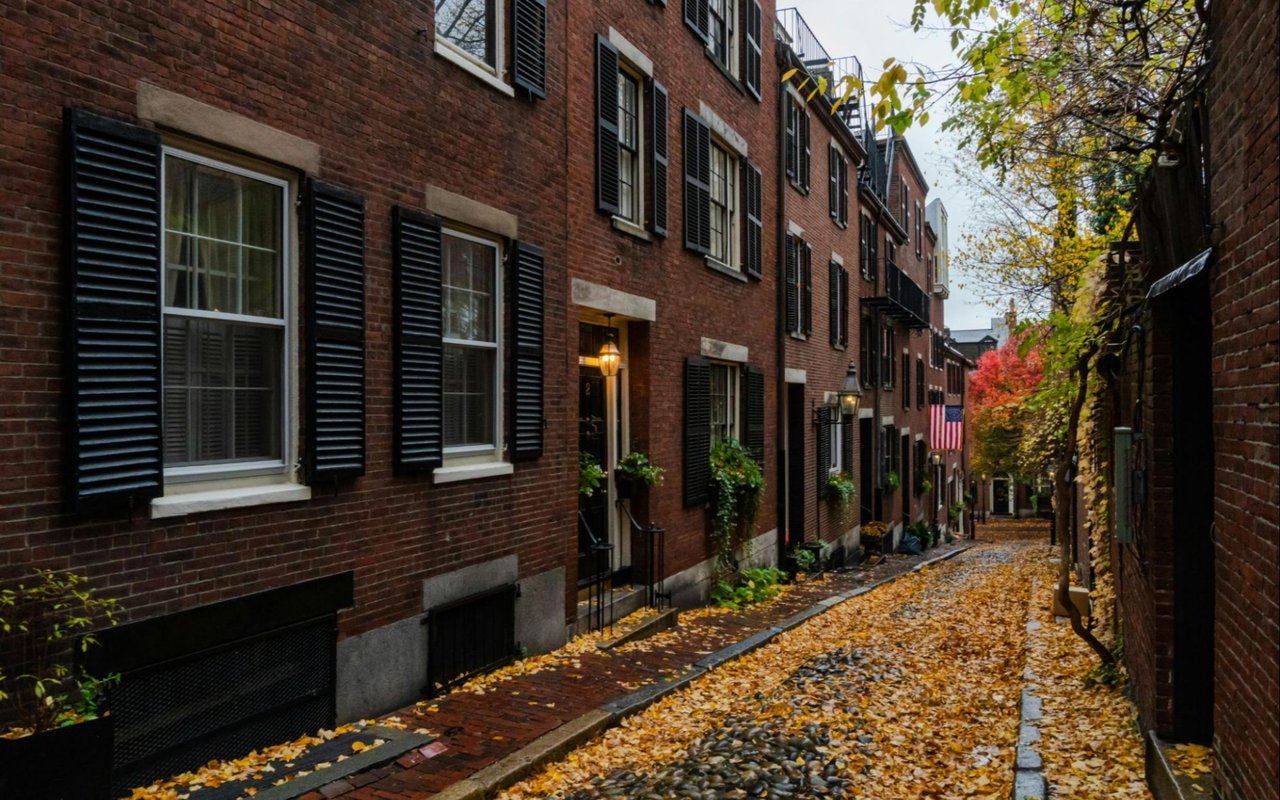
- Federal Rowhouses: Symmetrical red brick, fanlights, gas-lit charm (Beacon Hill, Charlestown)
- Greek Revival: Classical trim, tall entryways, pilasters (South Boston, Charlestown)
- Italianate Bow-Fronts: Curved masonry facades, arched windows, ornate cornices (South End)
- French Academic / Second Empire: Slate mansard roofs, stone facades, symmetry (Back Bay)
- Brownstone Detailing: Sandstone lintels, grand parlor stoops, brick accents (Back Bay, South End)
- Contemporary Modern: Glass curtain walls, open floor plans, smart tech (Seaport, Midtown)
Boston features one of the richest collections of 19th-century and contemporary residential architecture in North America. From the Federal symmetry of Beacon Hill to the French Academic grandeur of Back Bay and the sleek glass towers of the Seaport, each architectural style reflects a distinct era of urban development. Understanding these structural signatures allows luxury home buyers to evaluate layout flow, natural light, historic preservation rules, and long-term resale potential.
Every architectural style in Boston tells a different story, and understanding those differences helps you choose a home that fits the way you want to live. The cues are easy to recognize once you know what to look for / from the brick symmetry of Federal homes to the bow-front curves found in the South End and the streamlined lines of modern Seaport buildings. With a clear sense of these signatures, you can quickly identify the styles that match your taste and long-term goals.
Boston Architectural Styles Overview Matrix: 2026
Comparative analysis of era, key features, primary neighborhoods, and buyer considerations.
Style | Dominant Era | Primary Neighborhoods | Key Defining Features |
|---|---|---|---|
Federal | 1780s / 1830s | Beacon Hill, Charlestown | Red brick, elliptical fanlights, symmetrical multi-pane windows |
Greek Revival | 1820s / 1850s | Charlestown, South Boston | Bold trim, tall entryways with pilasters, classical porticos |
Italianate Bow-Front | 1840s / 1870s | South End | Curved bow-front brick facades, decorative cornices, tall arched windows |
French Academic / Second Empire | 1860s / 1880s | Back Bay | Slate mansard roofs, stone / brownstone facades, grand parlor levels |
Contemporary Modern | 2000s / Present | Seaport, Midtown, Waterfront | Floor-to-ceiling glass, open layouts, full-service concierge amenities |
Corcoran Architectural Advisory
Looking for a specific architectural style in Boston?
From historic Beacon Hill Federal rowhouses to Back Bay brownstones and Seaport high-rises, Corcoran Property Advisors provides expert local guidance and private off-market access tailored to your architectural preferences.
Federal and Early 19th-Century Brick Rowhomes
Federal architecture is one of Boston's most defining residential styles, especially in Beacon Hill and portions of Charlestown. These homes reflect early American craftsmanship and remain desirable for their proportions, materials, and historic elegance. We help you understand which features indicate well-preserved authenticity and which updates enhance livability without compromising the structure's heritage.
Details That Define Boston's Federal Style
- Flat or gently sloped roofs, often hidden behind brick parapets.
- Red brick facades, laid with refined masonry Flemish or English bond patterns.
- Symmetrical window placement, creating visual balance across all stories.
- Simple ornamentation, such as elliptical fanlights or narrow door surrounds.
- Interior floor plans with clearly shaped rooms typical of the early 19th century.
Greek Revival and Transitional 19th-Century Styles Within Boston
Greek Revival homes appear in more limited pockets of Boston but still contribute meaningfully to the city's architectural mix. These homes reflect early 19th-century influences that transitioned Boston from Federal symmetry toward bolder classical elements. We help you recognize when restorations respect these original details.
Features Common to Boston's Greek Revival Influence
- Strong lintels and trim profiles above windows and entry doors.
- Tall entryways, sometimes accented with heavy classical pilasters or columns.
- Rectangular forms, maintaining a sense of architectural simplicity and clarity.
- Minimal exterior ornamentation compared with later ornate Victorian styles.
- Interiors that preserve original room proportions even when fully modernized.
Italianate and Victorian Bow-Front Rowhomes
Boston's South End features one of the largest collections of Italianate rowhouses in the country, making it a standout for buyers interested in 19th-century architecture. These homes often include bow-front facades, decorative detailing, and elegant interior millwork. We help you identify properties where craftsmanship has been preserved with care.
Characteristics That Reflect This Period
- Curved or angled bow-front facades, shaping the distinctive South End streetscape.
- Tall windows with arched or rectangular tops, amplifying interior natural light.
- Decorative brackets and ornate cornices, showcasing skilled 19th-century artisan work.
- Red brick exteriors paired with brownstone window surrounds and stoops.
- Interiors with soaring ceilings, marble mantelpieces, and historically influenced layouts.
Brownstones as a Material, Not a Style
In Boston, the word "brownstone" refers mainly to the reddish-brown Triassic sandstone material used for trim, steps, or facade details / not necessarily a single architectural style. Back Bay and parts of the South End include rowhomes with brownstone elements, but many facades are primarily brick. Understanding this distinction helps you evaluate character and maintenance condition more accurately.
Features Typical of Boston Brownstone Details
- Carved brownstone lintels and sills highlighting window surrounds.
- Grand entry steps and stoops constructed from dark sandstone.
- Parlor-level layouts with soaring ceiling heights, common among Back Bay townhouses.
- Tall, elegant window bays seen across various Victorian substyles.
- Brick facades with brownstone accents, defining many iconic residential blocks.
Back Bay's French Academic and Second Empire Influences
Back Bay's architectural identity draws heavily from French Academic traditions, reflecting the neighborhood's mid-19th-century Paris-inspired design plan. These homes present symmetry, verticality, and refined masonry work, giving the neighborhood its distinct sense of European elegance.
Elements That Capture This Architectural Identity
- Slate mansard roofs, characteristic of Second Empire architecture.
- Symmetrical facades, emphasizing formal proportion and vertical massing.
- Finely dressed stone or brick masonry, crafted with meticulous precision.
- Tall, narrow double-hung windows aligning with the building's vertical rhythm.
- Interiors with gracious scale, grand staircases, and ballroom-caliber parlors.
Contemporary Architecture in the Seaport and Beyond
Boston's Seaport represents the city's most concentrated area of contemporary architecture. These high-rise homes prioritize openness, light, and modern convenience, reflecting a sharp contrast to the city's historic districts. We help you gauge which modern buildings deliver enduring appeal and which ones lean too heavily on trend-oriented design.
Features That Define Modern Living in Boston
- Clean exterior lines, emphasizing glass curtain walls and geometric clarity.
- Floor-to-ceiling windows, offering expanded natural light and harbor views.
- Minimalist interior finishes paired with energy-efficient materials.
- Open-concept layouts, shaped for flexible modern living patterns.
- Integrated smart technology for lighting, climate, and automated security systems.
Choosing the Architectural Style That Aligns With Your Lifestyle
Each architectural style in Boston brings a different rhythm to daily living. Some offer layered historic charm and defined formal rooms, while others provide modern simplicity and open flow. Understanding these distinctions helps you focus on homes that feel comfortable from the first visit and continue to support your lifestyle over time.
What to Evaluate as You Compare Styles
- How you use space / defined historic rooms versus open-concept floor plans.
- Material preferences, such as historic brick, stonework, or sleek modern finishes.
- Natural light patterns, shaped by window size, placement, and bay orientation.
- Your overall design aesthetic, whether classic New England or urban contemporary.
- Long-term appeal and historic district zoning rules that support resale strength.
About The Corcoran Property Advisors
The Corcoran Property Advisors is a premier luxury real estate advisory firm based on Newbury Street in Boston. With deep expertise across Back Bay, Beacon Hill, the South End, Seaport, and surrounding coastal communities, Corcoran provides hyper-local market intelligence, architectural evaluation, and discreet private market access for buyers and sellers.
Frequently Asked Questions About Boston Architecture
Which architectural house style is most popular in Boston?
Demand varies by neighborhood, but Federal brick rowhouses in Beacon Hill, Italianate bow-fronts in the South End, French Academic brownstones in Back Bay, and modern luxury glass towers in the Seaport consistently attract the highest demand from luxury home buyers.
How much does architectural style influence home value in Boston?
Architectural style significantly impacts property value. Historic homes located within regulated districts like Beacon Hill or Back Bay benefit from strict architectural preservation rules, which limit local housing supply and protect long-term property appreciation.
Can historic Boston homes still support modern luxury living?
Yes. Many of Boston's historic townhouses have undergone complete interior renovations that incorporate open kitchens, elevator access, central climate control, and smart home technology while meticulously preserving original historic facades, fireplaces, and woodwork.
What is the difference between a brownstone and a rowhouse in Boston?
A rowhouse describes a house built as part of a continuous row of uniform homes. Brownstone refers specifically to the reddish-brown sandstone material used for the facade or trim. Many Boston rowhouses are constructed primarily of red brick with brownstone detailing.
Sources: Boston Landmarks Commission, National Register of Historic Places, Boston Preservation Alliance, and Corcoran Property Advisors market analysis. Information verified for 2026.
Corcoran Property Advisors / Boston Luxury Real Estate
Find Your Ideal Architectural Home in Boston
Whether you appreciate the historic elegance of a Beacon Hill Federal rowhouse or the sleek open layout of a Seaport penthouse, our advisors are here to help you navigate Boston's luxury real estate market with confidence.