The Best Things to Do in Boston
From the Freedom Trail to the Harborwalk — the complete visitor and resident guideBest Things to Do in Boston — Quick Reference
The Best Things to Do in Boston, MA
- Freedom Trail — 2.5-mile walking route linking 16 American Revolution landmarks including Paul Revere House and Old North Church
- Boston Common & Public Garden — Oldest public park in the US (1634); Swan Boats operating since 1877; adjacent Beacon Hill gaslit streets
- Museum of Fine Arts — 500,000+ works from ancient civilizations to contemporary art; one of the largest art museums in the US
- New England Aquarium — Four-story ocean tank, sea lion presentations, hands-on exhibits; harbor location near Faneuil Hall
- North End dining — Boston's Italian neighborhood; handmade pasta, fresh cannoli, family-run trattorias on Hanover Street
- Newbury Street & Back Bay — Upscale retail, boutiques, sidewalk cafes; Copley Square, Trinity Church, Boston Public Library nearby
- Boston Harborwalk & Harbor Islands — Scenic waterfront trail; ferry day trips to Civil War-era forts and hiking beaches
- Charles River Esplanade — Cycling, jogging, picnics with skyline views; connects to Beacon Hill and Back Bay on foot
- Cambridge museums — Harvard Museum of Natural History, MIT Museum; accessible by Red Line from downtown
- Symphony Hall & performing arts — Boston Symphony Orchestra, Emerson Colonial Theatre, live jazz in Fenway and South End
Boston's best experiences divide into three categories. History: the Freedom Trail, Faneuil Hall, Beacon Hill, and Boston Common cover the core of America's most historically significant city. Culture and museums: the MFA, New England Aquarium, and Cambridge institutions across the river. Neighborhoods and lifestyle: the North End's Italian dining, Back Bay's Newbury Street retail, and the waterfront Harborwalk are where the city's daily character is most visible — and where understanding a neighborhood feels most like evaluating whether you could live in it.
Boston is a city where history and innovation live side by side. Whether you're visiting or planning to settle down, exploring what the city has to offer is essential context for understanding its neighborhoods, its character, and its value as a place to live. With world-class museums, iconic green spaces, and a dining scene that spans centuries of cultural influence, there's always something new to discover — and always something that reveals a different dimension of a city that rewards close attention.
History
Walk Through American History on the Freedom Trail
Begin your experience on the Freedom Trail, a 2.5-mile walking route that links 16 significant landmarks from the American Revolution. Stops include the Paul Revere House, Old North Church, and the site of the Boston Massacre. Each location adds context to the city's role in shaping the nation — and the route itself passes through several of Boston's most architecturally distinctive neighborhoods, making it as much a walking tour of the city's built environment as its political history.
Just steps away, Faneuil Hall and Quincy Market continue the historical journey with a lively atmosphere and food vendors. It's one of the most convenient ways to experience the energy of downtown Boston while staying grounded in its 18th-century origins. See also: Boston's best shopping destinations nearby.
Green Spaces
Explore Boston's Iconic Parks and Beacon Hill
Boston Common, dating to 1634, is the oldest public park in the United States — a central gathering point and an ideal place to understand the relationship between Boston's neighborhoods and its open space. Adjacent is the Boston Public Garden, known for its carefully maintained landscapes and the famous Swan Boats, a city tradition since 1877. In spring and summer, the Garden is one of the most pleasant outdoor spaces in any American city.
From there, a walk into Beacon Hill offers a look at 19th-century rowhouses, gaslit streets, and Acorn Street — consistently cited as the most photographed street in the United States. For anyone considering a home in Boston, the Beacon Hill walk is one of the clearest illustrations of what the city's historic residential architecture actually looks and feels like at street level.
Thinking about living in Boston?
The best way to understand a neighborhood is to walk it
Back Bay, Beacon Hill, the South End, and the Seaport each offer a fundamentally different daily experience — and the difference is most apparent at street level. Corcoran Property Advisors specializes in Boston's luxury residential market and can provide guided access to the neighborhoods that fit your lifestyle, including properties that never reach public listing.
Museums & Culture
Visit World-Class Museums and Cultural Institutions
Boston offers some of the finest museums in the country. The Museum of Fine Arts houses over 500,000 works from around the world — ancient civilizations through contemporary art — in a building that is itself a significant piece of Boston's cultural infrastructure. The New England Aquarium, located on the harbor near Faneuil Hall, features a four-story ocean tank and is one of the most visited institutions in New England.
Across the Charles River in Cambridge, the Harvard Museum of Natural History and the MIT Museum offer thought-provoking displays ranging from rare minerals and glass flowers to robotics and artificial intelligence research. Both are accessible by Red Line from downtown Boston and represent a different dimension of the city's intellectual character — the academic ecosystem that has made Greater Boston one of the most significant knowledge economies in the world.
Neighborhoods & Dining
Discover the Best Neighborhoods for Dining and Shopping
In the North End, you'll experience the city's Italian heritage through family-run restaurants, pastry shops, and narrow streets with a density of culinary character that is genuinely difficult to find elsewhere in Boston. The handmade pasta and fresh cannoli are the obvious starting points, but the North End's appeal as a residential neighborhood is equally about the walkability and community character of the streets themselves.
Back Bay offers upscale retail along Newbury Street — boutiques, art galleries, and sidewalk cafes — alongside Copley Square's historic landmarks: Trinity Church and the Boston Public Library. Nearby Copley Place and the Prudential Center anchor a luxury shopping corridor that rivals any major American city. See our full guide: 8 Best Places to Shop in Boston.
Cambridge, easily accessible by Red Line, offers a distinctly different urban environment — bookstores, coffee shops, and academic landmarks creating a relaxed yet intellectually stimulating atmosphere. For buyers considering the broader Boston metro, Cambridge's residential neighborhoods near Harvard Square and Inman Square are worth understanding alongside the core Boston neighborhoods.
Waterfront
Enjoy the Harborwalk, Harbor Islands, and Charles River Esplanade
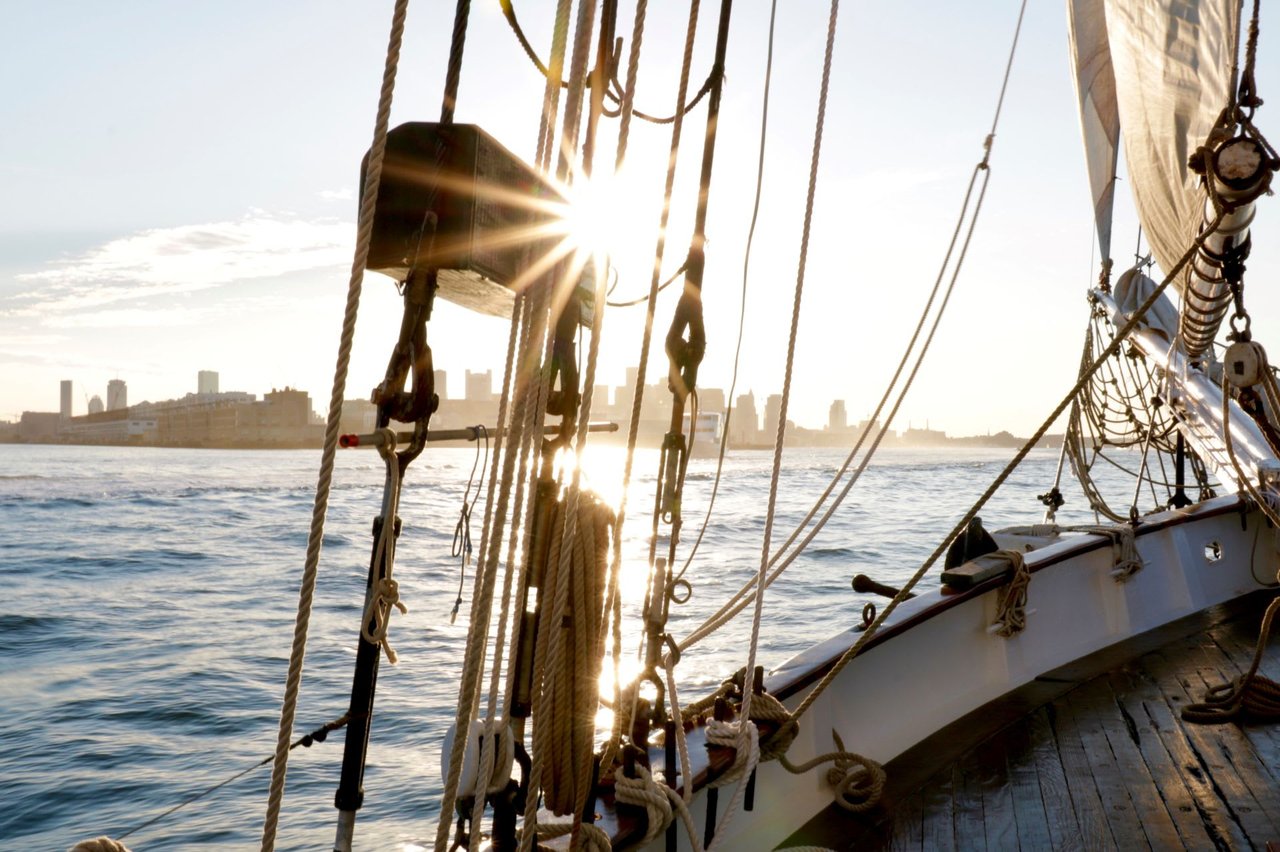
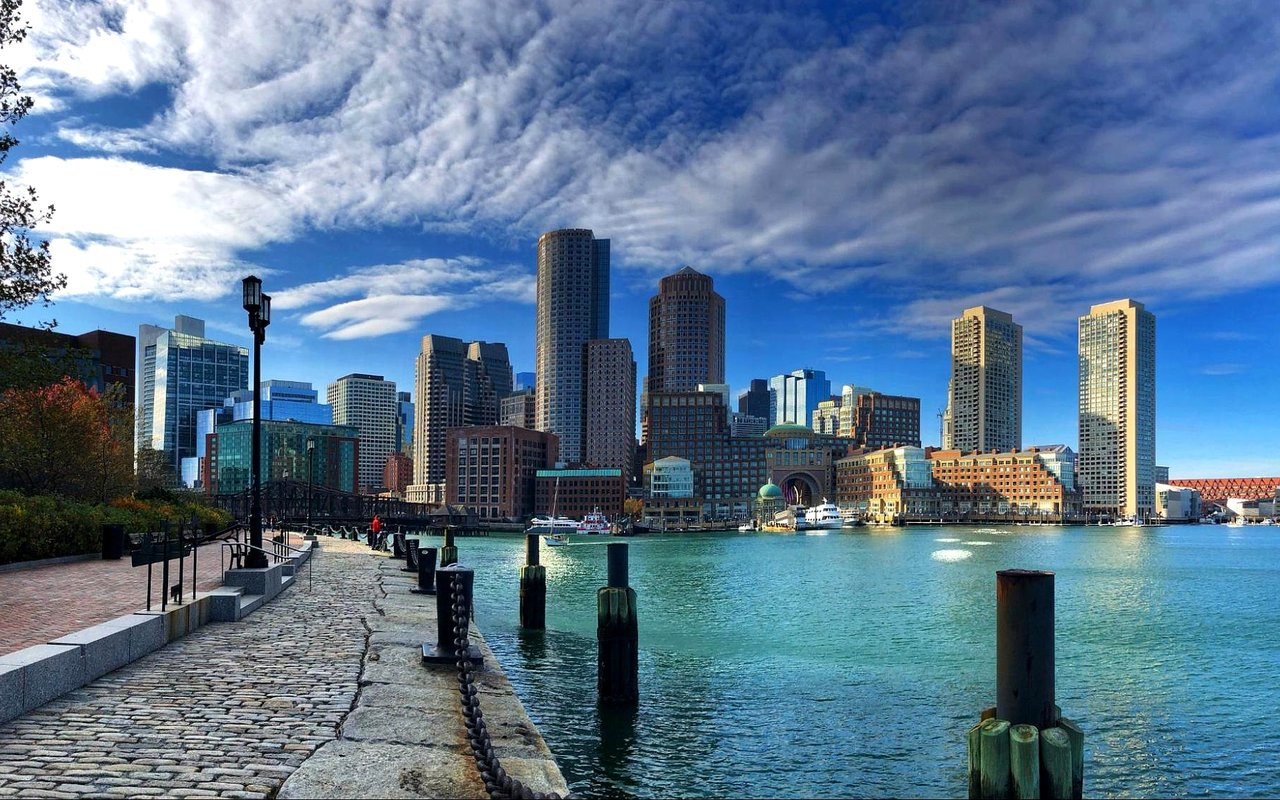
The city's relationship with water shapes its character in ways that become more apparent the longer you spend here. Along the Boston Harborwalk, scenic trails pass marinas, restaurants, and piers with uninterrupted harbor views. The route connects the Seaport District through the North End to Charlestown — a continuous waterfront experience that is one of Boston's most distinctive urban amenities.
The Boston Harbor Islands are one of the city's best-kept secrets for day trips in warmer months — a network of protected islands with hiking trails, beaches, and Civil War-era forts accessible by ferry from Long Wharf. George's Island and Spectacle Island are the most visited, but the archipelago offers a range of experiences from swimming beaches to historical fortifications.
On the Charles River side, the Esplanade runs along the Back Bay embankment — a favorite for cycling, jogging, and picnics, with skyline views and a connection to the Hatch Shell where the Boston Pops performs its Fourth of July concert each year.
Food & Performing Arts
Explore Local Food and Boston's Performing Arts Scene
Seafood is a defining element of Boston's culinary identity. Clam chowder, lobster rolls, and fresh oysters are served throughout the city — from historic taverns in the North End to modern seafood restaurants in the Seaport. The quality reflects Boston's proximity to some of the most productive fishing grounds on the East Coast and a culinary culture that takes the ingredient seriously. See the full dining guide: 10 Best Restaurants in Boston.
Chinatown offers authentic Asian cuisine with late-night dining, while Fenway and the South End feature emerging chefs and eclectic menus that represent Boston's more contemporary restaurant culture. The South End in particular has developed one of the most chef-driven dining corridors in New England along Tremont Street and Columbus Avenue.
For performing arts, Symphony Hall is home to one of the world's great orchestras — the Boston Symphony Orchestra performs there from October through April. The Emerson Colonial Theatre stages Broadway productions, and independent venues throughout Fenway and Cambridge host live jazz, comedy, and experimental performance throughout the year.
Tips
Make the Most of Your Time in Boston
Practical Tips for Visitors and New Residents
- Walking is often the best way to explore — many of Boston's most significant attractions are within a half-mile of each other in the core neighborhoods.
- Use the MBTA subway ("the T") to move quickly between neighborhoods — the Red, Green, Orange, and Blue lines connect most visitor destinations efficiently.
- Start your day early to experience popular sites before crowds arrive, particularly the Freedom Trail and Faneuil Hall.
- Take time to walk neighborhoods off the tourist path — South End, Charlestown, and Jamaica Plain reveal what daily life in Boston actually looks and feels like.
- If weather allows, explore both the harbor and the Charles River for different perspectives on the skyline and the city's relationship with water.
Boston is the kind of city that reveals itself layer by layer. Whether you're here for a visit or preparing for a permanent move, these experiences offer a solid introduction to its depth and character — and to the question of which neighborhood, specifically, might become home.
Frequently Asked Questions
Boston is most known for its role in American history — the Freedom Trail connects 16 Revolutionary War landmarks including the site of the Boston Massacre, Paul Revere House, and Old North Church. The city is also known for its concentration of world-class universities (Harvard and MIT are in adjacent Cambridge), its seafood culture (clam chowder, lobster rolls), the Boston Red Sox and Fenway Park, and its collection of historic neighborhoods including Beacon Hill and Back Bay.
Back Bay is the most convenient base for tourists — centrally located, walkable to the Freedom Trail, Newbury Street shopping, Copley Place, the MFA, and the Public Garden. Beacon Hill is a quieter, more residential alternative within easy walking distance of Boston Common. The Seaport District appeals to visitors who prioritize waterfront access and modern hotel amenities. All three are accessible by MBTA from Logan Airport.
Yes — Boston offers a concentration of historical significance, cultural institutions, and neighborhood character that is unusual even among major American cities. The Freedom Trail is among the most intellectually substantive walking tours in any American city. The MFA and New England Aquarium are genuinely world-class. And the city's walkability — most major attractions are within 30 minutes of each other on foot — makes it more accessible than cities of comparable cultural depth.
Boston is the only major American city where you can walk in 30 minutes from a Civil War-era neighborhood (Beacon Hill, largely unchanged since the 1840s) to a cutting-edge biotech corridor (Kendall Square, Cambridge) to a 19th-century fishing harbor (the North End) to a modern waterfront district of glass towers (the Seaport). The combination of compressed geography, preserved architectural character, and active intellectual and economic density makes it genuinely singular among American cities of its size.
Corcoran Property Advisors · Boston
Thinking About Making Boston Home?
Whether you're drawn to a townhouse in Beacon Hill, a condo near the Charles River, or a modern Seaport residence, Corcoran Property Advisors provides expert guidance through every step of the Boston luxury market — including properties that never reach public listing.