By Corcoran Property Advisors
Boston homeowners know that first impressions carry weight. Whether your property sits on a tree-lined street, a quiet cul-de-sac, or a historic block, the moment someone pulls up to your home, the landscape tells a story before the front door ever opens. Curb appeal is not simply about aesthetics; it is one of the most direct ways to signal a property's care, character, and value to buyers, neighbors, and guests alike.
What makes landscaping in Boston particularly interesting is the city's four-season climate. You are working with chilly winters, rainy springs, humid summers, and spectacular autumns. That range demands a thoughtful approach to plant selection, hardscaping materials, and seasonal maintenance. A landscape that looks beautiful in October and barren in February is not doing its job. Strategic planting choices and year-round design ensure that your home looks intentional in every season.
The good news is that landscaping improvements deliver some of the strongest returns on investment in real estate. In a competitive Boston market, where buyers are making fast decisions and inventory is tight, a well-designed landscape can be the detail that tips a sale in your favor or simply makes coming home feel like something special.
Key Takeaways
- Thoughtful landscaping in Boston requires plant selections that thrive across four seasons.
- Hardscaping elements like pathways, patios, and retaining walls add structure and increase a home's perceived value.
- Native and low-maintenance plantings reduce upkeep costs while supporting the local ecosystem.
- Front yard landscaping directly influences curb appeal and buyer perception during a sale.
- Lighting, layered plantings, and well-defined borders work together to create a polished, cohesive look.
Why Curb Appeal Starts With Your Landscape
The exterior of your home sets expectations before anyone steps inside. A neatly maintained lawn, shaped shrubs, and a defined pathway communicate that the property has been cared for. In Boston, where many homes sit close together on narrow lots, the landscape is often the primary opportunity to add visual distinction and warmth to a facade.
Buyers touring a home form their initial impression in mere seconds. A landscape that feels overgrown, patchy, or disconnected from the home's architecture can undercut even the most beautifully renovated interior. On the other hand, a thoughtfully planted front yard with layered heights, clean edges, and seasonal color creates a sense of arrival that no staging trick can fully replicate.
Beyond the sale, curb appeal has a direct effect on how you experience your own home every day. The landscape is your home's handshake with the rest of the world.
Buyers touring a home form their initial impression in mere seconds. A landscape that feels overgrown, patchy, or disconnected from the home's architecture can undercut even the most beautifully renovated interior. On the other hand, a thoughtfully planted front yard with layered heights, clean edges, and seasonal color creates a sense of arrival that no staging trick can fully replicate.
Beyond the sale, curb appeal has a direct effect on how you experience your own home every day. The landscape is your home's handshake with the rest of the world.
What Makes a Front Yard Work
- A defined entry pathway, whether brick, bluestone, or pavers, guides the eye and creates structure.
- Low, layered foundation plantings soften the transition between the home's base and the ground level.
- Seasonal color through annuals, perennials, or flowering shrubs keeps the yard visually active across the year.
- Clean lawn edges signal maintenance and attention to detail, even when the space is simple.
- A single focal point — like a specimen tree, a statement container, or a well-placed ornamental shrub — gives the eye somewhere to land.
Choosing Plants That Work for Boston's Climate
One of the most common landscaping missteps Boston homeowners take is selecting plants based on appearance without accounting for cold hardiness, sun exposure, and soil conditions. The Boston area falls in USDA Hardiness Zone 6b to 7b, depending on the specific location, and that range matters when you are planning for plantings that need to return year after year.
Native plants offer a reliable starting point. Species like inkberry holly, native viburnum, serviceberry, and switchgrass are adapted to the region's conditions and require far less irrigation and intervention once established. They also support local pollinators and birds, which adds life and movement to your landscape throughout the warmer months.
For year-round visual interest, the goal is layering. Evergreen foundation shrubs provide structure in winter when deciduous plants have dropped their leaves. Spring-blooming trees like redbud or amelanchier bridge the gap between the barren months and the full green of summer. Summer perennials fill in beds with texture and color, while fall grasses and asters carry the landscape through to the first frost. Designing with seasonality in mind ensures your home's exterior never looks forgotten.
Native plants offer a reliable starting point. Species like inkberry holly, native viburnum, serviceberry, and switchgrass are adapted to the region's conditions and require far less irrigation and intervention once established. They also support local pollinators and birds, which adds life and movement to your landscape throughout the warmer months.
For year-round visual interest, the goal is layering. Evergreen foundation shrubs provide structure in winter when deciduous plants have dropped their leaves. Spring-blooming trees like redbud or amelanchier bridge the gap between the barren months and the full green of summer. Summer perennials fill in beds with texture and color, while fall grasses and asters carry the landscape through to the first frost. Designing with seasonality in mind ensures your home's exterior never looks forgotten.
Plants Well-Suited to the Boston Area
- Inkberry holly (Ilex glabra): an evergreen shrub that holds up through harsh winters and provides black berries for birds.
- Karl Foerster feather reed grass: a vertical ornamental grass that adds movement and stays attractive into late fall.
- Serviceberry (Amelanchier): a small native tree with spring flowers, edible berries, and brilliant fall color.
- Knock Out roses: a low-maintenance flowering shrub that blooms repeatedly and tolerates cold winters with minimal protection.
- Echinacea (coneflower): a drought-tolerant perennial that attracts pollinators and provides late-summer color.
How Hardscaping Elevates the Overall Design
Plantings alone do not make a landscape. Hardscaping — the structural non-plant elements like patios, retaining walls, pathways, steps, and edging — creates the framework that holds everything together. In Boston, where properties often contend with elevation changes, clay soils, and older existing structures, hardscaping plays a particularly functional and visual role.
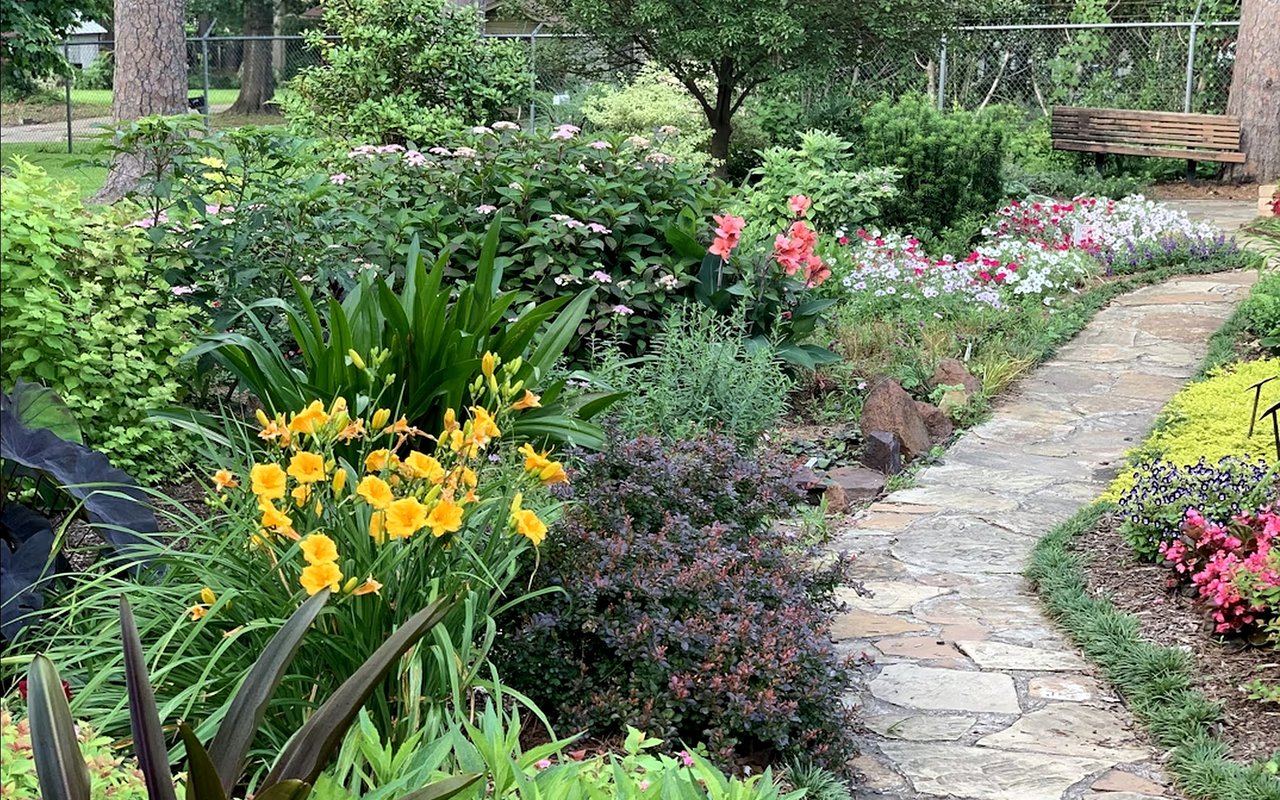
A well-designed stone pathway from the sidewalk to the front door does more than direct foot traffic. It frames the lawn, adds material contrast, and lends a sense of permanence to the landscape.
Similarly, a bluestone or brick patio in the backyard extends the usable living area of the home, which buyers consistently value. Outdoor living has become a significant selling point in Boston's residential market, and a thoughtfully constructed patio or seating area gives buyers a reason to think of the backyard as square footage, not just green space.
Retaining walls are another hardscaping feature with an outsized impact in Boston neighborhoods where sloped lots are common. Beyond preventing erosion, a well-built stone or concrete block retaining wall creates terraced planting areas that add depth and interest to an otherwise difficult grade. The combination of structured hardscape and soft plantings produces the layered aesthetic that high-end landscaping is known for.
A well-designed stone pathway from the sidewalk to the front door does more than direct foot traffic. It frames the lawn, adds material contrast, and lends a sense of permanence to the landscape.
Similarly, a bluestone or brick patio in the backyard extends the usable living area of the home, which buyers consistently value. Outdoor living has become a significant selling point in Boston's residential market, and a thoughtfully constructed patio or seating area gives buyers a reason to think of the backyard as square footage, not just green space.
Retaining walls are another hardscaping feature with an outsized impact in Boston neighborhoods where sloped lots are common. Beyond preventing erosion, a well-built stone or concrete block retaining wall creates terraced planting areas that add depth and interest to an otherwise difficult grade. The combination of structured hardscape and soft plantings produces the layered aesthetic that high-end landscaping is known for.
Hardscaping Elements Worth the Investment
- Bluestone or brick pathways from the street to the entry align with the architectural character of many Boston homes.
- A defined patio surface in the backyard, even a modest one, signals usable outdoor space and adds livability.
- Natural stone or concrete retaining walls on sloped lots create level planting beds and reduce erosion.
- Metal or stone edging along lawn borders and planting beds maintains clean lines with minimal ongoing effort.
- Decorative gravel or mulch in beds suppresses weeds, retains moisture, and creates a finished, polished look.
Lighting and Finishing Touches
Landscape lighting is one of the most underutilized tools for curb appeal, particularly in Boston, where the days shorten significantly through fall and winter. Exterior lighting does double duty; it highlights your home's architectural features and plantings after dark while adding a layer of warmth and welcome that daytime photography alone cannot capture.
Path lights along a front walkway guide visitors while casting an inviting glow. Uplighting on a mature tree or a stone facade adds drama and dimension. Soft spotlights aimed at foundation plantings or garden beds create depth and texture that carry the landscape well into the evening.
The finishing details of a landscape, including the edging, the mulch color, the condition of the lawn, and the cleanliness of the beds, tell buyers and passersby whether a home has been maintained over time. These are not expensive upgrades, but they require consistency. Fresh mulch in spring, trimmed shrub edges in summer, and cleared leaves in fall — these small acts of maintenance accumulate into a landscape that looks cared for at every visit.
Path lights along a front walkway guide visitors while casting an inviting glow. Uplighting on a mature tree or a stone facade adds drama and dimension. Soft spotlights aimed at foundation plantings or garden beds create depth and texture that carry the landscape well into the evening.
The finishing details of a landscape, including the edging, the mulch color, the condition of the lawn, and the cleanliness of the beds, tell buyers and passersby whether a home has been maintained over time. These are not expensive upgrades, but they require consistency. Fresh mulch in spring, trimmed shrub edges in summer, and cleared leaves in fall — these small acts of maintenance accumulate into a landscape that looks cared for at every visit.
Lighting and Maintenance Details That Add Polish
- Low-voltage path lights along the front walkway for visual warmth.
- Uplighting on specimen trees or architectural features to add drama after dark.
- Fresh mulch — applied annually to planting beds — for a clean, finished appearance.
- Consistent lawn edging along borders and walkways to maintain sharp, defined lines.
- Seasonal cleanup, including debris removal in fall and early pruning in spring, to keep beds looking intentional year-round.
FAQs
What Are the Best Low-Maintenance Landscaping Options for Boston Homes?
Native and adapted plants are your best starting point. Inkberry holly, ornamental grasses like Karl Foerster, coneflowers, and Knock Out roses offer strong visual interest with minimal maintenance requirements. Pairing these with quality mulch, defined edging, and a simple irrigation plan dramatically reduces the time and cost of upkeep while keeping the landscape looking polished.
When Is the Best Time to Landscape or Re-Landscape in Boston?
Spring and early fall are the ideal windows for major landscaping projects in the Boston area. Spring allows newly planted material to establish before summer heat, and early fall planting gives roots time to develop before winter. Many hardscaping projects, such as patio installation and pathway work, can be completed from late spring through mid-fall when the ground is workable.
How Do I Design a Landscape That Looks Good in All Four Seasons?
The key is layering plants with different seasonal elements. Include evergreen shrubs for winter structure, early-blooming trees and bulbs for spring, summer perennials and ornamental grasses for warm-month color, and fall-blooming plants like asters and sedums for late-season interest. Hardscaping elements like stone pathways and defined borders remain attractive year-round, regardless of what is blooming.
Your Boston Home Deserves a Landscape That Works as Hard as You Do
Your outdoor space is a living extension of your home, and in Boston's dynamic real estate market, it carries real weight. A landscape that is thoughtfully designed, seasonally sound, and well-maintained communicates pride of ownership, adds measurable value, and transforms the daily experience of arriving home.
Whether you are preparing to list your property or simply want to invest in the long-term appeal of your home, the right landscaping decisions will pay off in ways that compound over time. Our team at Corcoran Property Advisors is here to help you understand how strategic improvements translate to value in your specific Boston neighborhood. Whether you’re selling in Back Bay, Beacon Hill, the South End, or the Seaport District, reach out to our team today to start the conversation.
Whether you are preparing to list your property or simply want to invest in the long-term appeal of your home, the right landscaping decisions will pay off in ways that compound over time. Our team at Corcoran Property Advisors is here to help you understand how strategic improvements translate to value in your specific Boston neighborhood. Whether you’re selling in Back Bay, Beacon Hill, the South End, or the Seaport District, reach out to our team today to start the conversation.